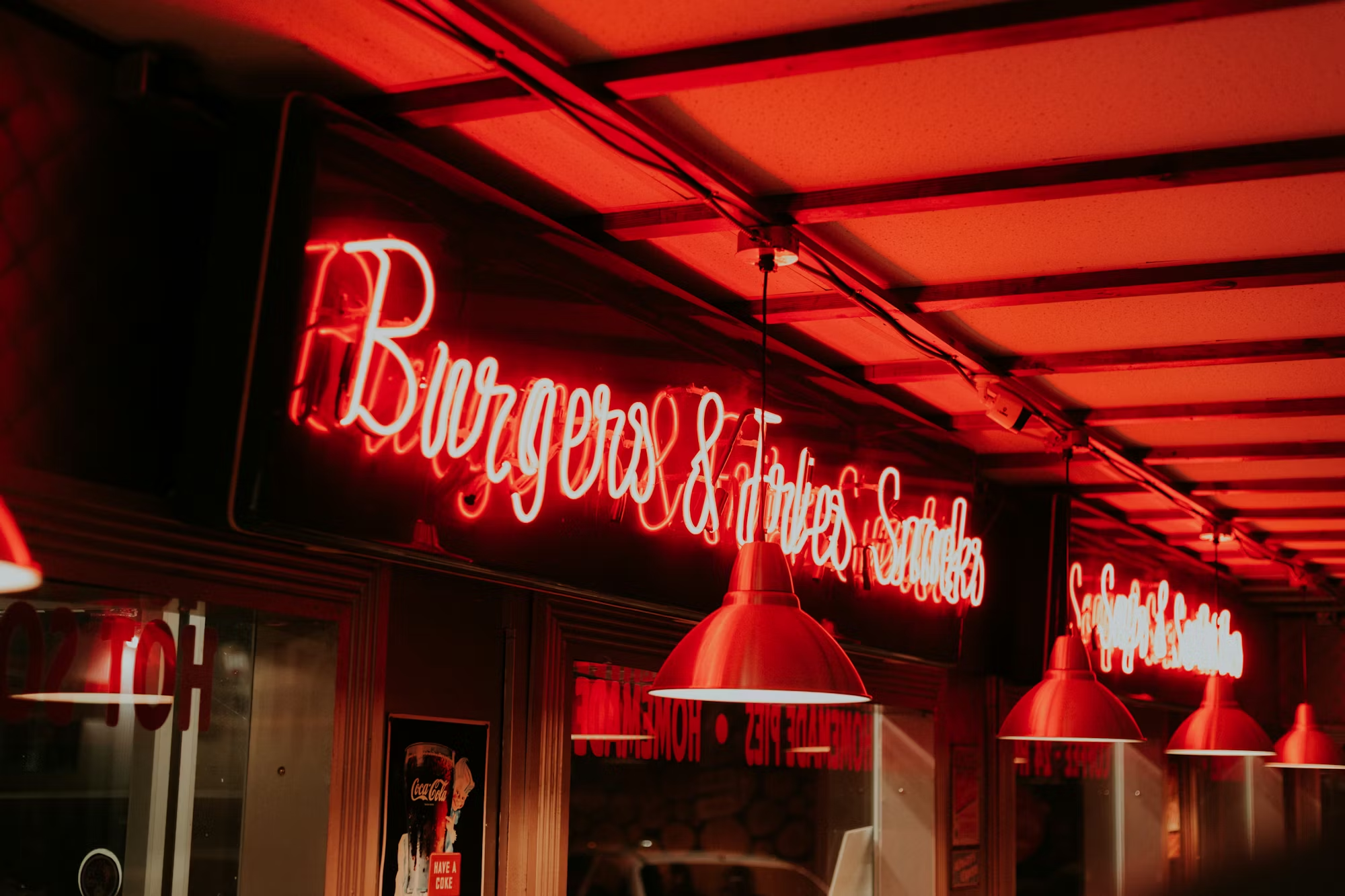
Interior design is more than just decorating a space; it is about creating an environment that reflects personal tastes while also serving functional needs. With an array of styles to choose from, understanding the nuances of each can help homeowners craft a harmonious living space. This article explores various interior design styles, highlighting their key characteristics and offering tips on how to integrate them into your home.
Traditional Style
Traditional interior design is rooted in the elegance and sophistication of classic design elements. Characterized by rich colors, ornate details, and antique furnishings, this style evokes a sense of history and warmth. To achieve a traditional look, consider incorporating:
– Rich Color Palettes: Deep reds, greens, and blues create an inviting atmosphere.
– Antique or Vintage Pieces: Incorporate heirlooms or vintage finds to add character.
– Ornate Details: Look for furniture with intricate carvings, and use decorative moldings to enhance the elegance of the space.
Modern/Contemporary Style
Modern or contemporary design emphasizes clean lines, simplicity, and functionality. This style often features a neutral color palette and minimalistic furniture, making it ideal for those who appreciate a clutter-free environment. Key elements include:
– Open Spaces: Create an airy feel by using an open floor plan.
– Neutral Color Schemes: Use whites, grays, and blacks as a base, with pops of color from accessories.
– Functional Furniture: Choose furniture that serves a purpose without unnecessary embellishments.
Transitional Style
Transitional design blends traditional and contemporary elements, creating a balanced and inviting space. This style allows for a mix of comfort and modern simplicity, making it versatile for various tastes. To achieve a transitional look:
– Neutral Tones: Stick to a palette of grays, beiges, and whites to maintain harmony.
– Texture Mixing: Combine different textures, such as leather and fabric, to add depth.
– Classic Shapes: Incorporate furniture with classic silhouettes but in modern fabrics or finishes.
Rustic Style
Rustic design draws inspiration from the countryside, emphasizing natural materials and earthy colors. It creates a cozy and inviting ambiance that connects with nature. To achieve a rustic look, focus on:
– Natural Materials: Use wood, stone, and metals to enhance the natural feel.
– Earthy Color Schemes: Opt for browns, greens, and warm neutrals.
– Cozy Textures: Incorporate soft fabrics like wool and linen to create warmth.
Industrial Style
Industrial design celebrates raw materials and utilitarian aesthetics. Characterized by exposed brick, concrete, and metal accents, this style is perfect for urban lofts or modern homes. Key characteristics include:
– Raw, Unfinished Materials: Leave materials in their natural state for an authentic feel.
– Functional Furniture: Use items that serve a purpose, such as vintage crates for storage.
– Bold Lighting Fixtures: Incorporate statement pieces like pendant lights made from metal or glass.
Scandinavian Style
Scandinavian design is known for its simplicity, functionality, and emphasis on natural light. This style combines minimalism with warmth, creating a serene atmosphere. To achieve a Scandinavian look:
– Light Color Palettes: Use whites, soft grays, and pastels to create an open feel.
– Natural Light: Maximize windows to let in as much natural light as possible.
– Minimalistic Furnishings: Choose simple, functional furniture that prioritizes comfort.
Bohemian Style
Bohemian design is eclectic and free-spirited, characterized by a mix of colors, patterns, and textures. This style allows for personal expression and creativity. To create a bohemian look:
– Eclectic Accessories: Mix and match items from different cultures and eras.
– Vibrant Colors: Use bold, saturated colors to create a lively atmosphere.
– Layered Textures: Incorporate various fabrics, such as rugs, cushions, and throws, to create depth.
Farmhouse Style
Farmhouse design combines rustic elements with modern touches, creating warm and inviting spaces. This style emphasizes comfort and simplicity. To achieve a farmhouse look:
– Reclaimed Wood: Use wood from old barns or furniture for a rustic feel.
– Shiplap Walls: Consider using shiplap for a classic farmhouse aesthetic.
– Vintage Accents: Incorporate vintage finds, such as antique furniture and decorative items.
Coastal/Nautical Style
Inspired by coastal living, nautical design incorporates light colors and natural textures. This style evokes a breezy, beachy feel, making it perfect for homes near the water. Key elements include:
– Light Color Palettes: Use whites, blues, and sandy tones to mimic the beach.
– Natural Textures: Incorporate materials like jute, wicker, and driftwood.
– Maritime Decor: Add decorative elements like seashells, nautical stripes, and ocean-themed artwork.
Mid-Century Modern Style
Mid-century modern design reflects the trends of the mid-20th century, characterized by clean lines and functional furnishings. This style often features retro vibes and organic shapes. To achieve a mid-century modern look:
– Bold Colors: Use bright colors alongside natural wood tones.
– Functional Design: Choose furniture that is both aesthetically pleasing and practical.
– Organic Shapes: Incorporate rounded edges and flowing lines for a soft touch.
Minimalist Style
Minimalism emphasizes simplicity and uncluttered spaces. This design philosophy focuses on essential elements, often using a neutral color scheme to create a peaceful environment. To achieve a minimalist look:
– Less is More: Prioritize a few key pieces over excessive decor.
– Neutral Color Schemes: Use whites, grays, and muted tones to create a calming atmosphere.
– Functional Decor: Choose decor items that serve a purpose or add to the overall design.
Asian/Eastern Style
Asian design is known for its emphasis on balance and harmony. This style incorporates natural materials and serene atmospheres, often using elements like bamboo and water features. To achieve an Asian-inspired look:
– Natural Materials: Use wood, stone, and water to create a calming environment.
– Harmonious Layouts: Design spaces that promote flow and tranquility.
– Serene Color Palettes: Incorporate soft colors that evoke a sense of peace.
Conclusion
Each interior design style offers unique characteristics and opportunities for personal expression. By understanding the nuances of these styles, homeowners can create harmonious living spaces that reflect their tastes and lifestyles. Whether you prefer the elegance of traditional design or the simplicity of minimalism, the key is to blend elements that resonate with you, ensuring that your home is a true reflection of your personality and preferences.